Customer service has come a long way. In the past, if you had a problem, it meant you had to wait a long time and repeatedly describe your issue to different people. Help was only available during business hours, and the whole process could be slow and frustrating. Then, chatbots entered the world. They saved time, but they can't handle many complicated problems. That’s when hybrid chatbots emerged, combining both human and AI capabilities. In this article, we will explore how hybrid chatbots have improved customer service. And the benefits customers are experiencing as a result of these hybrid chatbots.
What are hybrid chatbots?
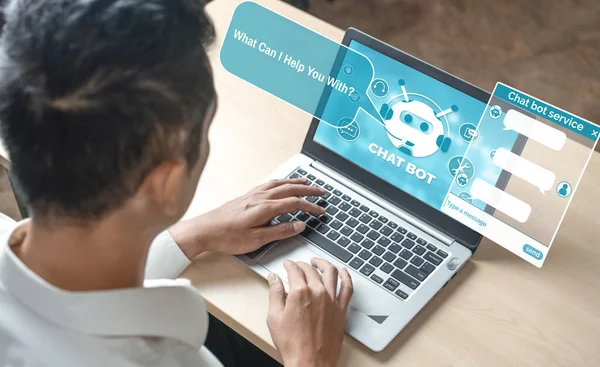
Hybrid chatbots are smart tools that mix the power of technology with human support. They use artificial intelligence (AI) to answer common questions quickly. But when the question is tricky or needs a more personal response, the chatbot passes it to a real human agent. This way, customers get both fast answers and human help when it matters.
Let’s break it down simply:
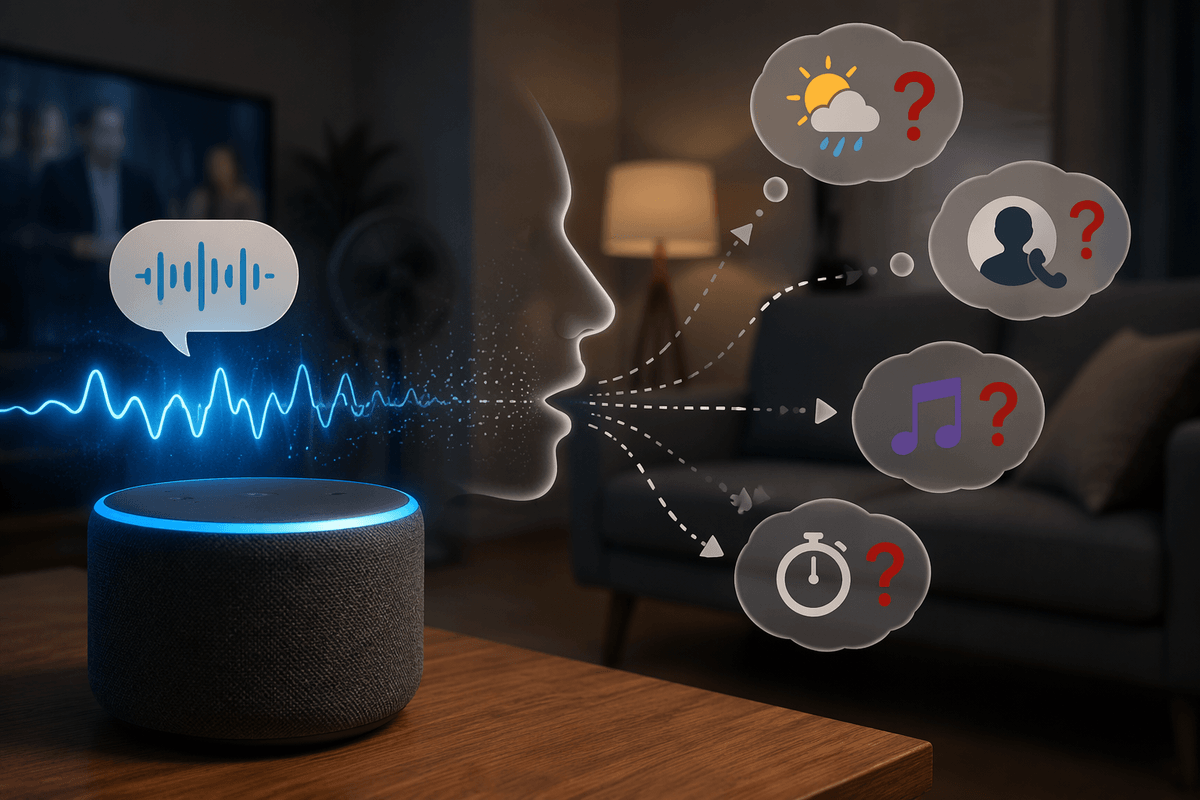
- AI part: The chatbot understands what the customer is asking by using language skills (called natural language processing). It then replies with the best answer it knows.
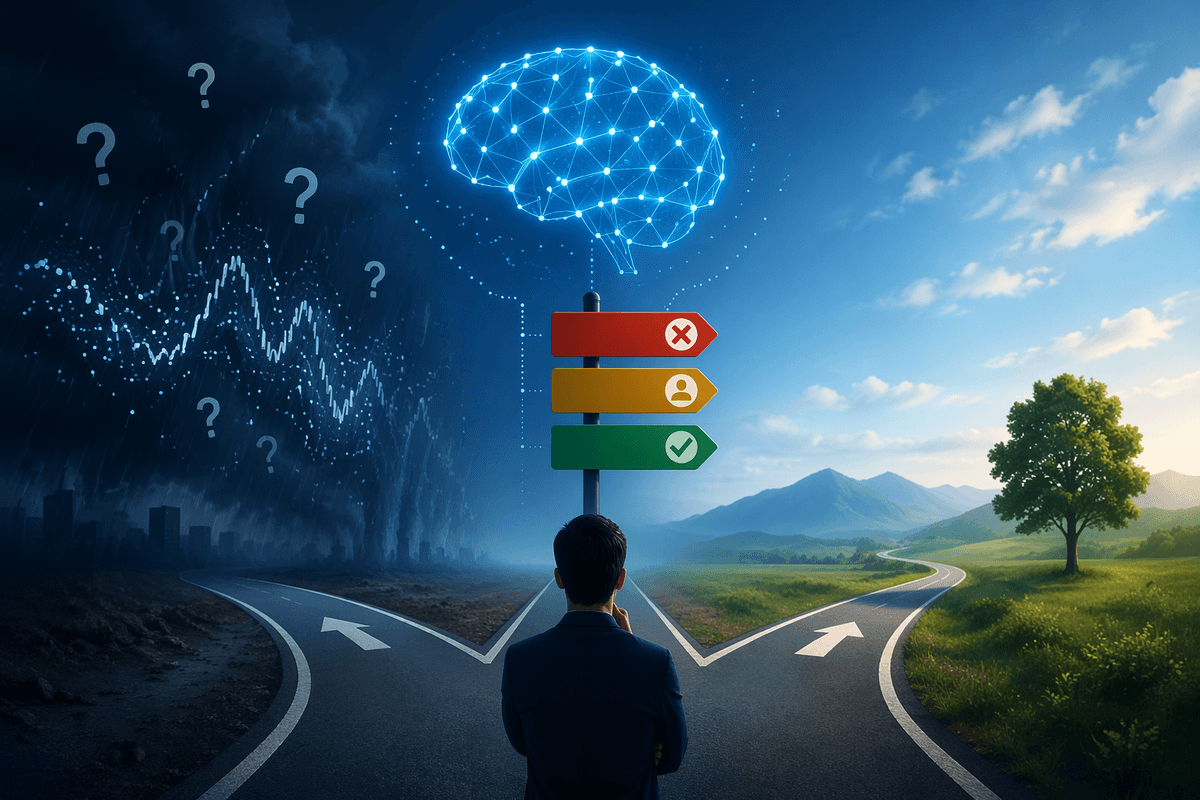
- Human part: If the question is too complex or emotional, the chatbot smoothly transfers the conversation to a real person who can handle it more effectively.
- Smooth handover: The customer stays in the same chat window, and the switch between bot and human happens without any confusion.
How do hybrid chatbots work?
Hybrid chatbots are designed to make customer service faster and smoother. They start by using AI to handle simple and common questions like checking delivery times, store hours, or collecting customer details. If the question is too complex, personal, or the customer appears upset, the chatbot recognizes it and transfers to a human agent. The switch happens smoothly. The human gets all the chat details, so the customer doesn’t need to repeat anything.
Human agents step in when the issue needs more attention. They solve complicated problems, offer personal advice, or help someone who’s feeling frustrated. Sometimes, they also take over if they notice things aren’t going well or the chatbot is struggling to respond properly. This teamwork between AI and real people makes the customer experience better. Customers get quick help when things are simple and expert care when things get tough.

6 ways hybrid chatbots improve customer service
Hybrid chatbots make customer service easier and better in many ways. Here’s how they help:
- Quick help: They answer common questions right away. So, you don't have to wait in a long queue. You receive support instantly, anytime, day or night.
- Always available: Hybrid chatbots work 24/7. So even if it’s late at night or a weekend, you can still get help.
- Personal replies: They use customer details to give answers that feel more personal and relevant to your situation.
- Easy human support: If the chatbot can’t solve the problem, it sends you to a human agent. The human sees the whole chat, so you don’t have to explain everything again.
- Less waiting: The bot takes care of simple questions, so human agents have more time to help with harder ones. This means faster support for everyone.
- Right answers every time: Hybrid chatbots give correct and clear replies. This builds trust and keeps customers happy.
How hybrid chatbots help businesses?
Where hybrid chatbots help customers, they are helping businesses at the same time. They save both time and money by handling many routine tasks automatically. This takes a big load off customer service teams. So human staff can focus on more important or tricky issues. As a result, companies no longer need to hire large support teams just to answer the same questions repeatedly. This cuts down on staffing, training, and salary costs.
In fact, research shows that using AI chatbots can cut customer service costs by up to 30%. Since these chatbots operate 24/7, customers can receive help at any time. Even during nights or weekends, so businesses don’t have to pay extra for overtime or night shifts. That’s a big win for both the company and the customers. In short, this is a budget-friendly and economical option for businesses to incorporate these hybrid chatbots into their customer service.
Examples of hybrid chatbots in real world
Hybrid chatbots are being used in many industries. Take banking, for example, Bank of America uses a chatbot named Erica that helps customers check their balance, pay bills, and even get simple financial tips. If something is too complex, a human agent takes over. In retail, H&M’s virtual assistant helps shoppers find the right products and choose sizes. It can also suggest outfits based on the customer's preferences. And humans help with special requests. In travel, KLM’s chatbot BlueBot can help book flights, check you in, and send travel updates. However, if you require more detailed advice, a human agent intervenes. These examples show how hybrid chatbots combine AI with the care and understanding of humans to give better service in every industry.
Do chatbots increase customer satisfaction?
Yes, hybrid chatbots really do boost customer satisfaction. The mix of fast responses and human support helps people feel heard and cared for. In fact, studies show that hybrid chatbots can improve customer satisfaction by up to 30%. People like getting quick answers, but they also want the option to speak with a person when needed. That balance makes the whole experience better.
Final words
In the future, hybrid chatbots will continue to improve. This is all going to happen just because of artificial intelligence, as it starts to understand not just what people say, but also how they feel and what they really need. This means they'll be able to help customers even before a problem comes up. They might also connect with new technologies like smart devices or even use things like augmented reality to make conversations more helpful and interactive. So, try hybrid chatbots in businesses to improve customer service.