Understanding what counts as "AI skills" can be surprisingly difficult. The phrase gets thrown around in job posts, training programs, and product demos, often without much clarity. It might suggest anything from writing code to interacting with chatbots. But the real meaning depends on the context.
Building models, deploying them, managing data pipelines, and prompting tools each involve a different kind of skill. Some are technical, others are conceptual. Some depend on engineering depth, others on judgment and domain experience. Talking meaningfully about AI skills requires breaking apart the layers of what working with AI involves.
Skills That Build and Maintain AI Systems
At the technical core are skills related to building, tuning, and maintaining models. This includes selecting appropriate architectures, training on relevant data, and managing inference environments. Tasks like optimizing transformer models for latency, balancing training speed against cost, or implementing model parallelism across GPUs fall in this category. Developers working here need deep knowledge of frameworks like PyTorch or JAX, and a good understanding of the math behind attention mechanisms, gradient descent, and loss functions.
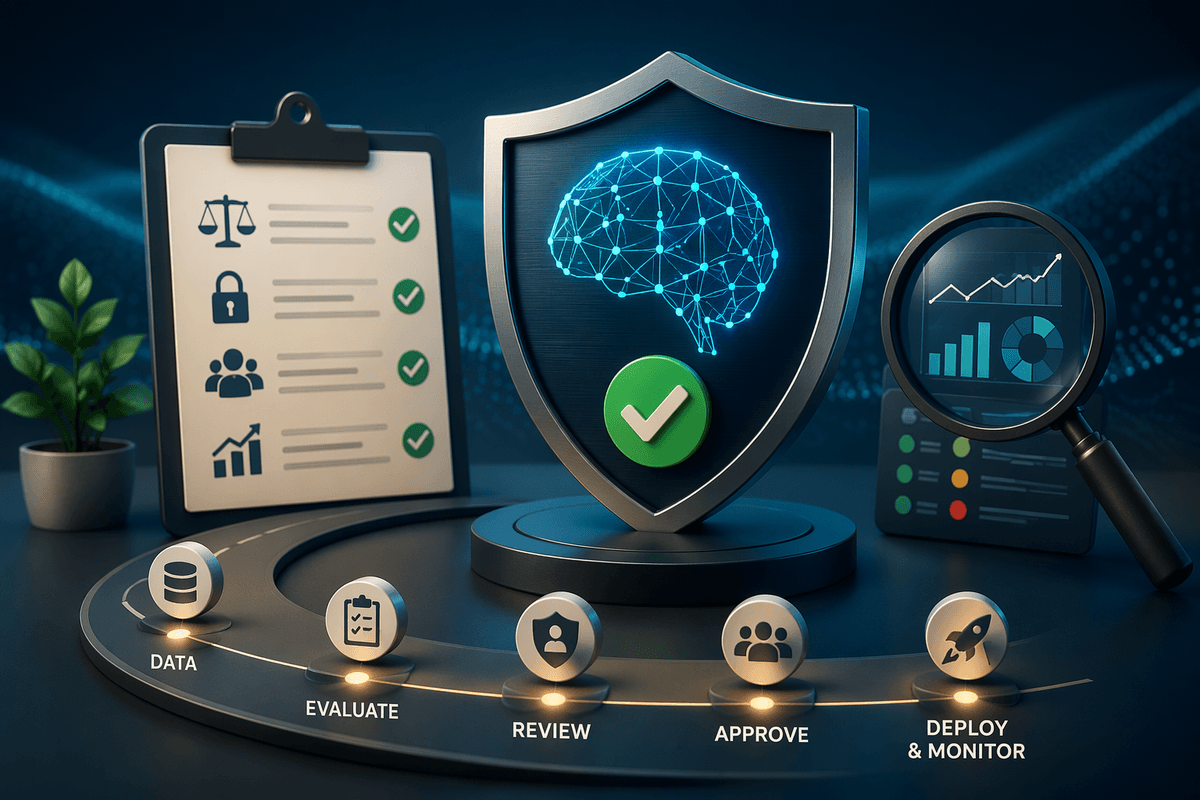
But building the model is only part of the job. There’s also the question of monitoring performance over time. Models tend to drift as user behavior changes or as data distributions shift. AI engineers must set up systems to track metrics like accuracy decay, precision, and recall under real-world loads. This often involves setting up shadow deployments, A/B testing, or periodic fine-tuning with new data. The skill here isn’t just about writing code. It’s about understanding what counts as success for a model and knowing how to measure when that success starts to slip.
Skills That Involve Data and Its Constraints
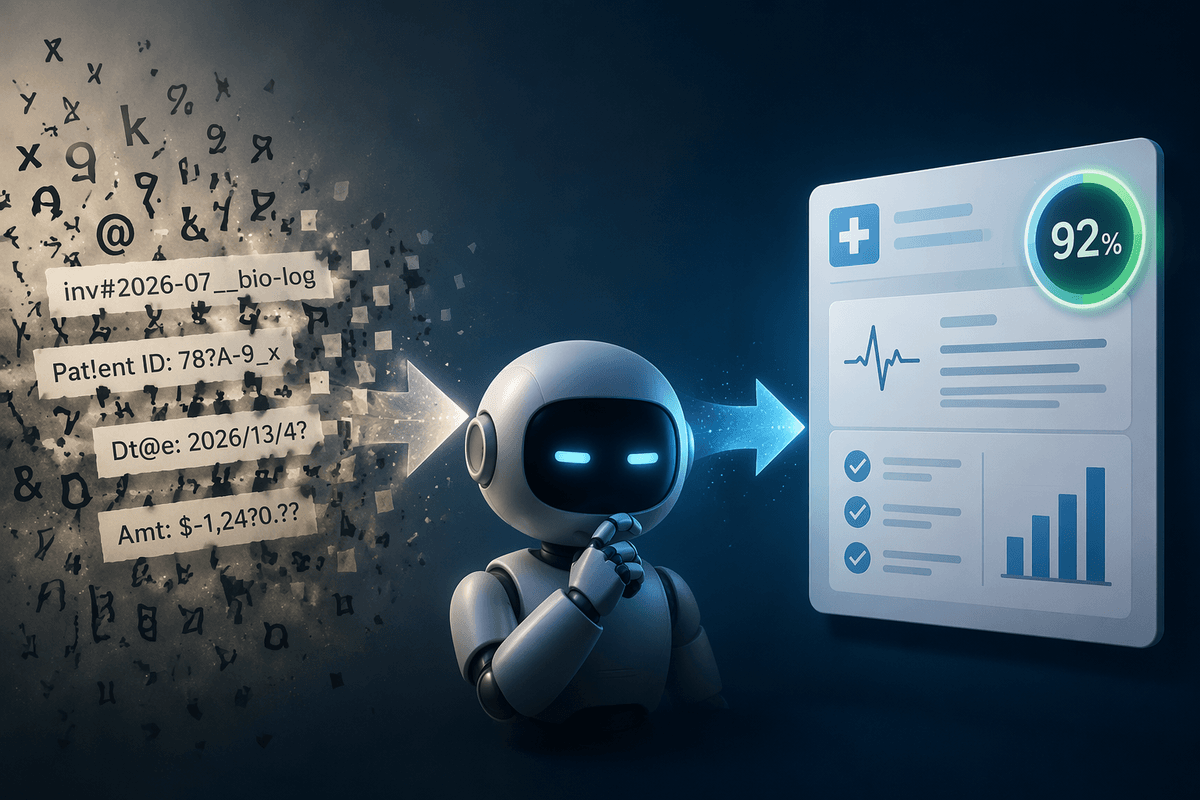
Many AI failures begin with poor data handling. Cleaning data, labeling it correctly, balancing class distributions, or removing leakage require domain-specific knowledge and careful analysis. These aren’t glamorous tasks, but they shape everything that follows. An engineer trained to spot label inconsistency or underrepresented edge cases brings more to an AI project than someone focused only on running training scripts.

AI skills at this level often look like problem diagnosis. Why is the model overfitting? Why is it making biased predictions on a subset of inputs? What effect does augmenting the dataset with synthetic examples have on generalization? Getting good answers means knowing how to instrument pipelines, run exploratory data analysis, and examine failure cases in depth. In fields like healthcare or finance, where regulatory or ethical constraints are tight, this type of data awareness becomes even more important. AI skills here include the ability to reason through those implications and adjust systems accordingly.
Skills That Use AI as a Tool
Not everyone needing AI skills is building models. The focus is shifting toward using models effectively. This can involve working with large language models through APIs, designing prompts that produce stable and useful outputs, or creating tools that wrap AI functions into user-facing features. These roles are often described as “prompt engineering” or “applied AI” work.
But this work is not just about writing clever prompts. The skill lies in designing systems where the model’s outputs are useful in real workflows. For example, a recruiter using AI to screen candidates needs to understand how to phrase prompts so that responses remain fair and consistent. A writer using a summarization model needs to know how to steer outputs toward a particular tone or length. These users don’t need to train models, but they do need to understand their limits. They need to recognize hallucination, inconsistency, or irrelevant results—and adjust strategies accordingly.
This layer of skill blends user intuition with a basic understanding of model behavior. What input formats lead to reliable outputs? When do models repeat or contradict themselves? How does temperature or top-k sampling affect generation? Knowing how to adjust these settings, even without writing code, is part of the growing toolkit of AI-aware professionals.
Skills That Help Systems Scale and Work Reliably
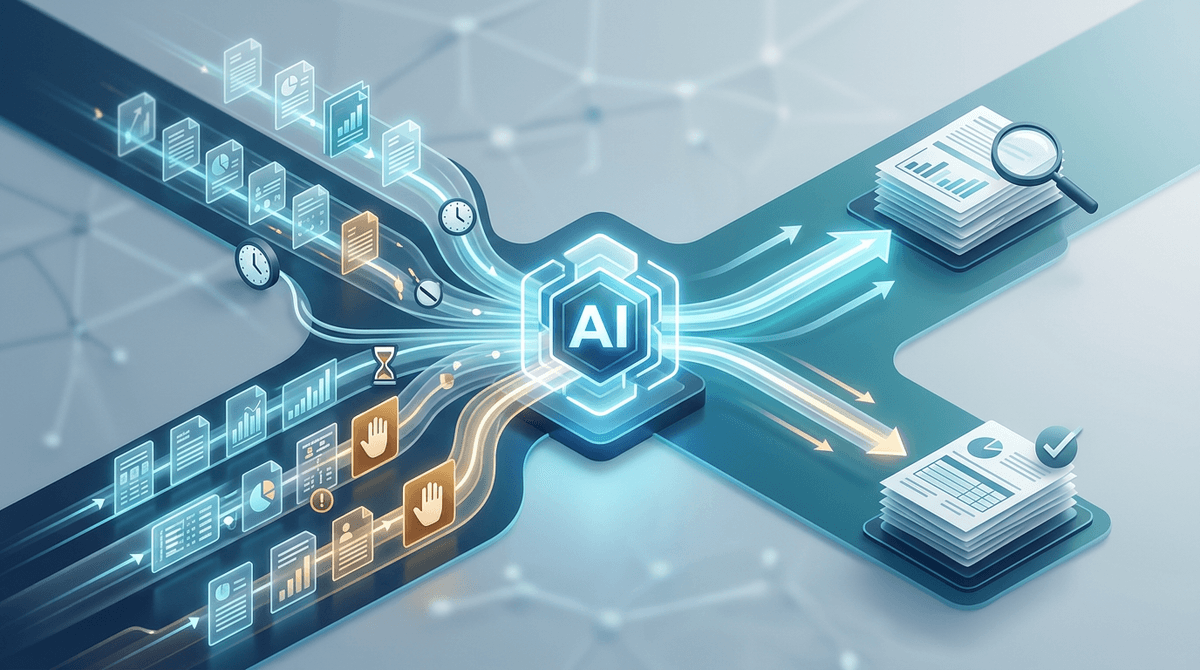
Once an AI product moves past a prototype, new problems emerge. Latency, throughput, inference cost, caching, and error handling all become part of the picture. Someone has to decide whether to batch requests, fine-tune a smaller model, or offload processing to edge devices. These decisions require a blend of system design, infrastructure knowledge, and cost awareness.

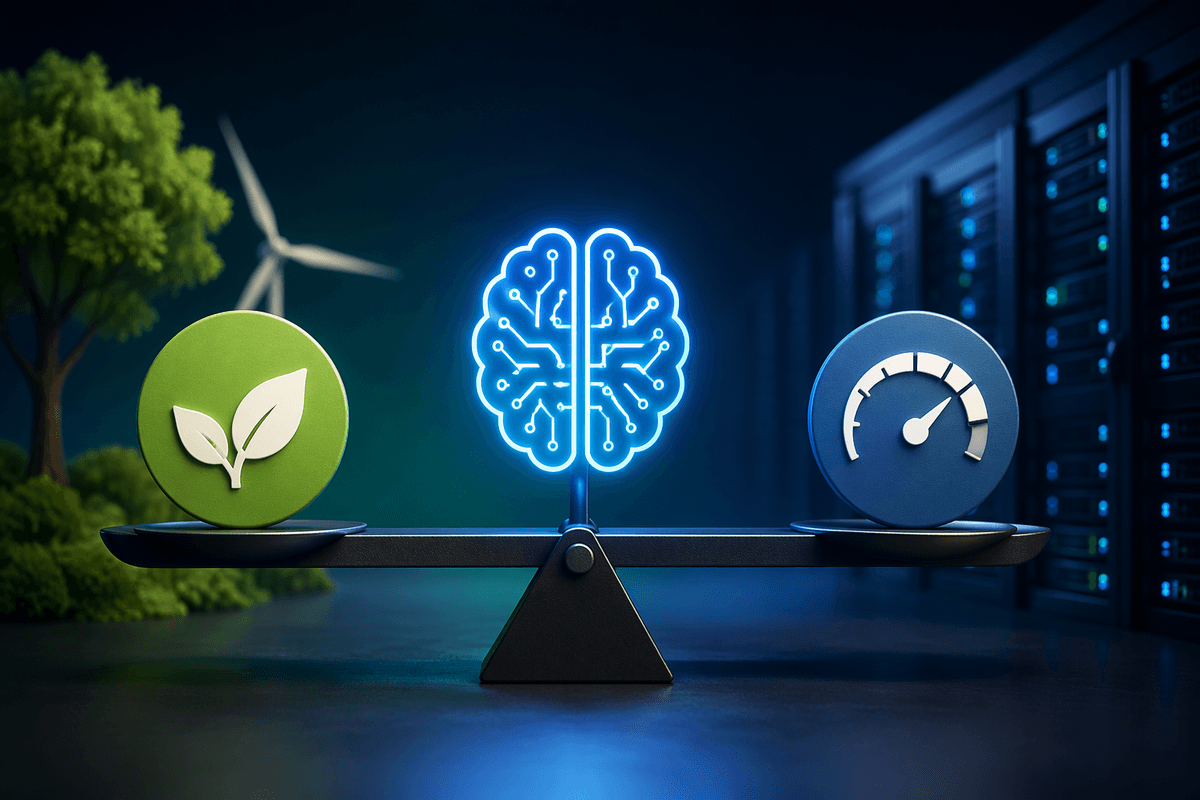
For example, using a 175B parameter model may give great accuracy but introduce unacceptable lag for users on mobile networks. A team might switch to a distilled model or use a hybrid setup with a smaller local model backed by a cloud fallback. These choices aren’t just technical—they affect user experience, product behavior, and operating costs. Engineers working on inference systems often need to balance GPU allocation, API rate limits, and memory constraints in production environments.
Reliability is another concern. AI systems fail in strange ways. An upstream API may start returning different results. A slight data shift might cause a downstream function to crash. Logs might fill with outputs that look fine syntactically but contain subtle errors. Skills here involve setting up observability, defining useful alerts, and debugging workflows that are partially non-deterministic. This is not the same as writing application logic. It’s about treating models as probabilistic components and engineering around their unpredictability.
Conclusion
AI skills are not one thing. They range from deep model development to prompt writing, from infrastructure tuning to ethical reasoning about data. Grouping all of these under a single label often hides more than it reveals. The useful question is not whether someone has “AI skills,” but which part of the system they understand and how they contribute to its performance, reliability, or usability. As tools become more accessible, more people will work with AI without needing to understand every technical detail. But someone still needs to handle the hard parts behind the scenes. And those skills aren’t generic. They’re learned through experience, experimentation, and a clear view of where things tend to go wrong.