Artificial intelligence for IT operations, often called AIOps, is moving from theory to practice as organizations face mounting pressure to keep systems reliable while handling constant growth. For DevOps teams, this isn’t just about adopting new technology—it’s about reshaping the foundation they work on every day. AIOps depends on data pipelines, integration, collaboration, and trust. Before it can deliver real value, DevOps must confront and solve several challenges that stand in the way of a smooth transition.
5 Challenges DevOps Must Solve to Prepare for AIOps
Data Quality and Integration
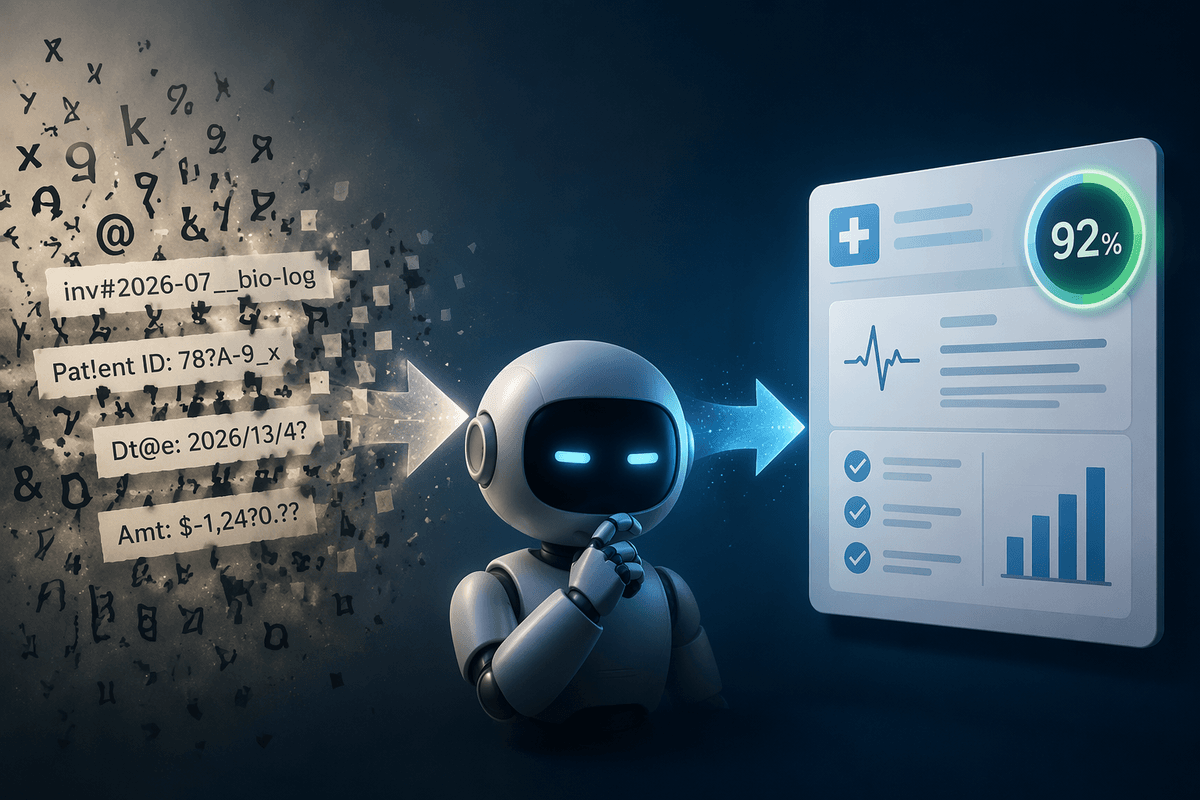
AIOps is only as strong as the information it consumes. Metrics, logs, events, and traces all play a part in training models that detect risks and recommend actions. However, operational data often arrives in a fragmented state, with gaps or overlaps that make analysis less reliable. Different monitoring tools produce logs in their own formats, and some teams capture far more data than they can process, while others collect too little. This uneven landscape leads to poor predictions, false positives, and missed issues.
To prepare for AIOps, DevOps teams must first streamline how they collect and standardize data. Consistent formats across monitoring tools, shared definitions for metrics, and the elimination of duplicate or irrelevant information are crucial steps. Another piece of the puzzle is ensuring that pipelines move data in near real-time, so insights reflect current conditions. Without this foundation, any AI-driven platform will be limited, turning into a source of noise rather than clarity.
Toolchain Complexity
Most DevOps environments already rely on sprawling ecosystems of CI/CD tools, observability platforms, and incident management systems. Each was adopted for a reason, but taken together, they create layers of complexity that are difficult to unify. AIOps depends on seeing across the entire landscape. When overlapping or isolated tools block that view, automation struggles to deliver actionable results.
The path forward requires rationalization. DevOps teams need to examine which tools are truly delivering value and which are adding more friction than benefit. Where consolidation isn’t possible, creating seamless integrations is critical. APIs, connectors, and shared dashboards can provide AIOps with visibility across the pipeline. When the toolchain is leaner and more connected, AIOps can move from fragmented alerts to a single, contextualized understanding of system health. That shift not only simplifies operations but also makes automation more accurate and less disruptive.
Cultural Shift and Trust
DevOps has always been about speed, iteration, and human-driven collaboration. The introduction of AIOps can feel disruptive to this culture, particularly when AI systems begin recommending actions or automating decisions. Engineers may question whether the platform understands the full context of their environment, and the idea of a “black box” making operational choices can create resistance. Trust becomes as big a hurdle as the technology itself.
Building acceptance requires deliberate effort. AIOps should start as a partner to human judgment rather than a replacement. Instead of automating critical tasks immediately, teams can begin with routine recommendations—such as highlighting unusual spikes in CPU usage or predicting disk saturation. Over time, as accuracy proves reliable, confidence will grow. Another critical factor is explainability. AI systems must provide transparency into why a recommendation was made, showing links between data and suggested actions. This clarity helps engineers see AIOps as an ally rather than a hidden authority.
Scalability and Performance
As systems grow, so does the torrent of data they produce. Modern distributed applications generate constant streams of telemetry, and the challenge for DevOps is not just collecting it but processing it at speed. AIOps amplifies this requirement, since machine learning models are only effective when supplied with large volumes of fresh, high-quality information. If the underlying infrastructure can’t handle the load, insights lag, alerts pile up, and opportunities for early intervention are lost.
DevOps must focus on scalability before layering AIOps into the workflow. That might involve moving from batch data collection to streaming pipelines, adopting cloud-native observability platforms designed to handle bursts of traffic, or rethinking storage so historical data remains accessible without slowing current analysis. Resilience also matters—systems must cope with sudden spikes during incidents when data volume can double or triple. By strengthening scalability and performance at the foundation, DevOps ensures that AIOps enhances operations rather than becoming a bottleneck.
Skills and Workforce Readiness
Introducing AIOps is not purely a technical upgrade; it also changes what’s expected from the workforce. Traditional DevOps engineers excel in automation, infrastructure management, and delivery pipelines, but AIOps adds requirements for understanding data science, machine learning, and advanced analytics. Without preparation, teams may feel unprepared or sidelined by the shift.
Organizations that want AIOps to succeed must invest in people as much as platforms. Training programs that give engineers a grounding in AI concepts, model behavior, and statistical reasoning will help bridge the gap. Hiring specialists may be necessary, but collaboration is just as important. When AI experts and DevOps practitioners work side by side, they create a shared understanding of both the software delivery cycle and the data-driven methods AIOps requires. This collaboration ensures that automation is designed with real-world operations in mind, rather than imposed from outside. Preparing the workforce creates resilience and confidence, making the adoption of AIOps smoother and more sustainable.
Conclusion
The move toward AIOps is not simply about adopting another tool; it’s about preparing DevOps for a smarter, more automated way of working. To succeed, teams must tackle the hurdles of inconsistent data, overly complex toolchains, cultural resistance, scalability pressures, and the growing skills gap across the organization. These challenges require effort, focus, and patience, but are not insurmountable. When addressed directly, they create the conditions for AIOps to deliver meaningful results—faster detection, smarter automation, and fewer outages. The organizations that prepare today will be the ones that see AIOps deliver transformative value tomorrow.